
DIN Transformer Valves
The Valves on an Oil-Filled Transformer: Drain, Sampling, Filter and Isolation Valves
What each valve on an oil-filled transformer does (drain, sampling, filter, radiator, Buchholz and conservator valves), which standards describe them, how they are handled during sampling and vacuum filling, and where DIN 42568 drain valves and DIN 3352-11 gate valves go.
The short answer
An oil-filled transformer has a handful of valves, each with one job: a drain valve at the lowest point of the tank, a sampling valve for oil samples, filter valves at the top and the bottom to connect an oil-treatment plant, isolating valves on every detachable radiator and on both sides of the Buchholz relay, and drain and filling valves on the conservator. With its isolating valves closed, a radiator or the Buchholz relay can be removed without draining the oil.
Which valves does a transformer have, and what does each one do?
- Drain valve: at the lowest point of the tank, so that the oil can be drained completely. Utility specifications ask for sizes such as 32 mm or 50 mm, a plug or cap on the outlet and a padlock facility.
- Sampling valve: often a separate, smaller valve near the level of the bottom of the windings, within reach from the ground; some specifications add a three-way valve on the main drain valve for sampling. The US Bureau of Reclamation (USBR) advises against sampling through the small side ports of large drain valves: they are too small to flush the valve properly.
- Filter valves: at the top and the bottom of the tank, to connect an oil filter or a vacuum oil-treatment plant for filling and oil treatment. Specifications ask for an internal deflector at the filling valves, so that incoming oil is not sprayed onto the windings.
- Radiator valves: usually butterfly valves at the top and the bottom of each detachable radiator or cooler. Closed, they let a radiator be removed – or the transformer be shipped without its radiators – without draining the tank. Where radiators are welded directly to the tank, the oil has to be drained first.
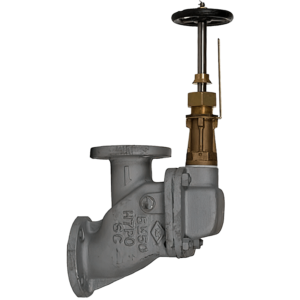
- Buchholz relay valves: on transformers with a conservator, one isolating valve between the relay and the tank and one between the relay and the conservator, so that the relay can be removed without draining any oil. Some designs also have an automatic conservator shut-off valve in the same pipe, which closes when oil flows out too fast – after a leak, for example – and has to be reset by hand.
- Conservator valves: a drain valve at the lowest point of the conservator and a filling valve at the top. Drain the conservator through its own valve, not through the main tank: water and sludge collect at its bottom.
- On-load tap changer: its compartment and its own conservator have their own filter, drain and sampling valves.
The pressure relief device is not a valve you operate, but it matters in maintenance: it is not made for vacuum and has to be secured before the tank is evacuated. Every valve should carry a plate with its function and its normal position (open or closed).
Which standards describe transformer valves?
- IEC 60076-22-7:2020 (accessories and fittings) covers a draining plug, an air vent and liquid draining device, butterfly valves and a sampling device; one of its sampling-device figures is marked DIN 42568. Gate valves and filter valves have no clause of their own there.
- EN 50216-4 (basic accessories, including drain and filling devices) and EN 50216-8 (butterfly valves for insulating liquid circuits): DIN still lists the German editions as current; the British editions were withdrawn in August 2023.
- DIN 42560 (butterfly valves NW 80, 1971) is withdrawn; DIN names DIN EN 50216-8 as its replacement, and many valve makers still quote both.
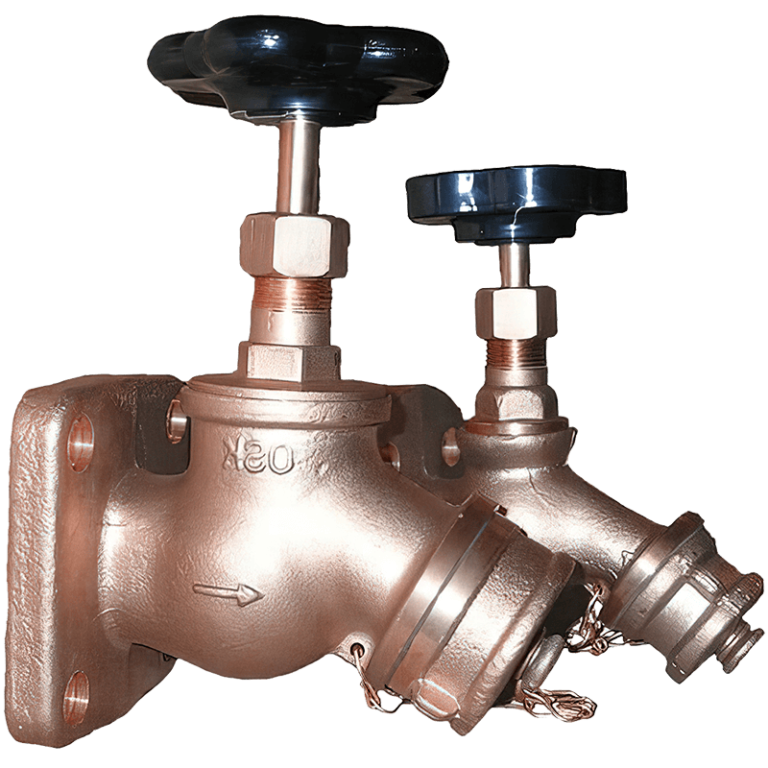
- DIN 42568 (1982): outlet valves DN 15 and DN 32 for sampling and draining – see DIN 42568 transformer drain valves.
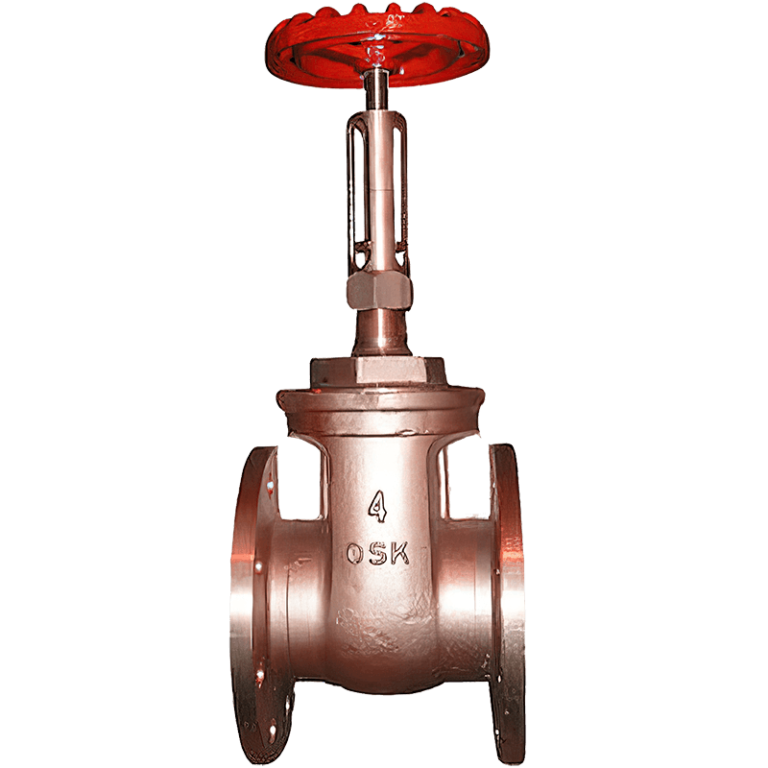
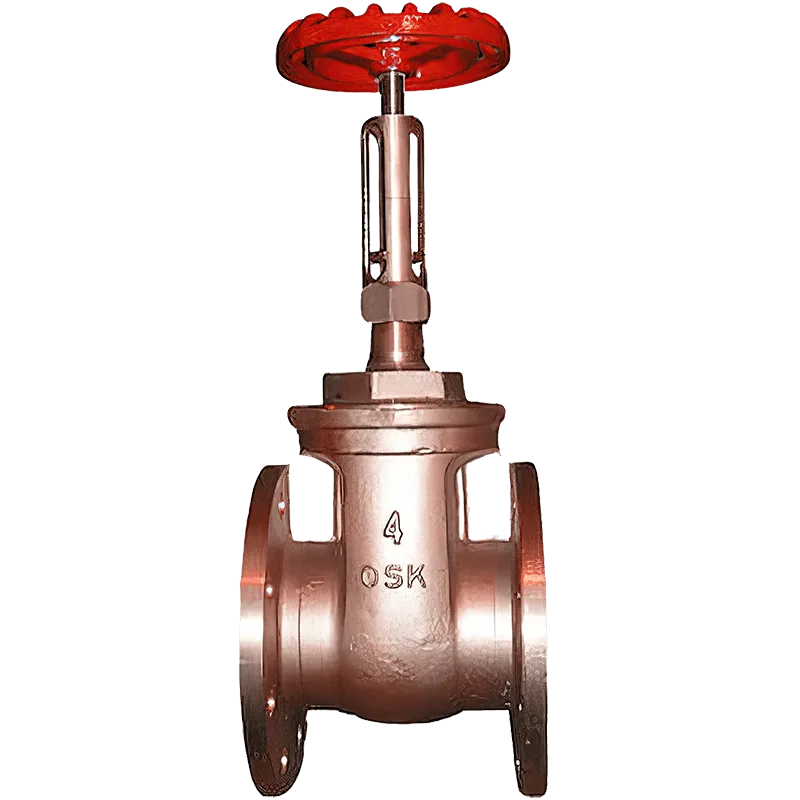
- DIN 3352-11 (1981): flanged gate valves of copper alloy. DIN lists it as withdrawn; our gate valves are made to it – see DIN 3352-11 flanged gate valves.
- IEC 60475 (sampling of insulating liquids) and IEC 60567 (sampling of gases and dissolved-gas analysis) describe how samples are taken.
Which standard applies is set by the specification of the transformer maker or the utility; please quote it in your enquiry.
Where do DIN 42568 drain valves and DIN 3352-11 gate valves go?
- DIN 42568 drain valves (DN 15 and DN 32): the standard’s own title names both jobs – sampling and draining – so these valves sit at the drain and sampling points of the tank. Ours have a metal-to-metal seat, NBR gland packing, an inlet flange to DIN 2501 PN 6 and an outlet cap fastened to the body with a chain.
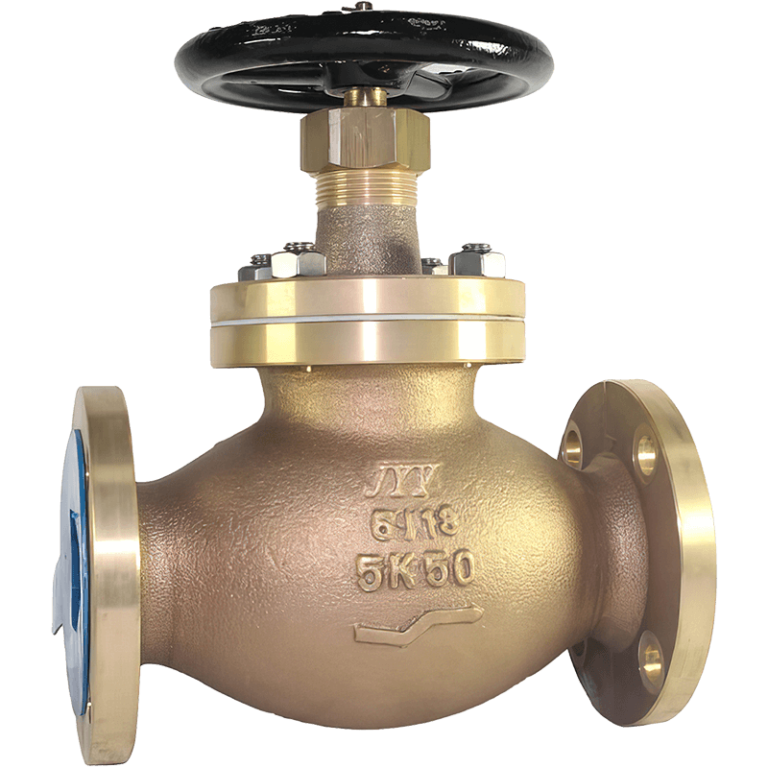
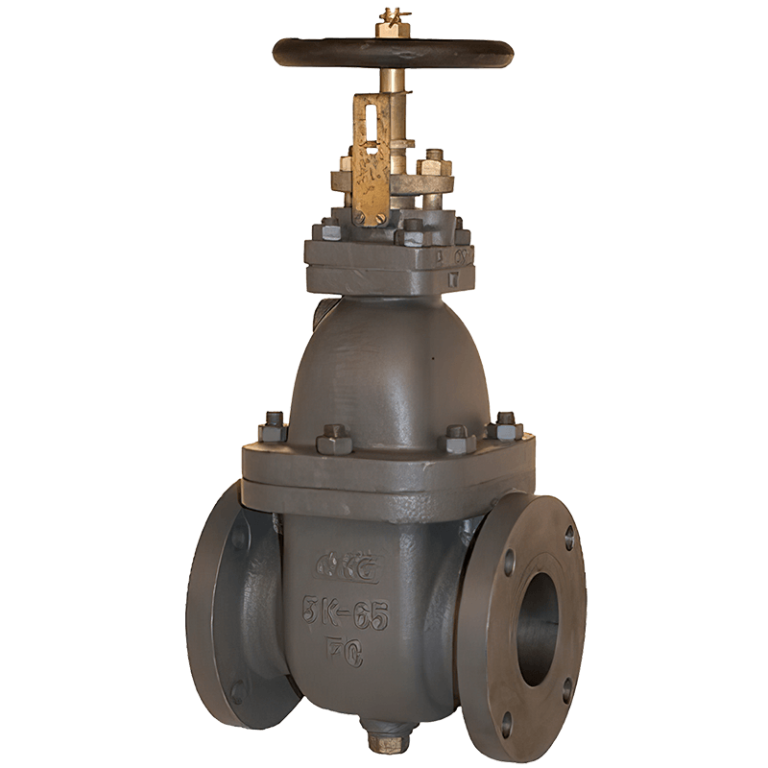
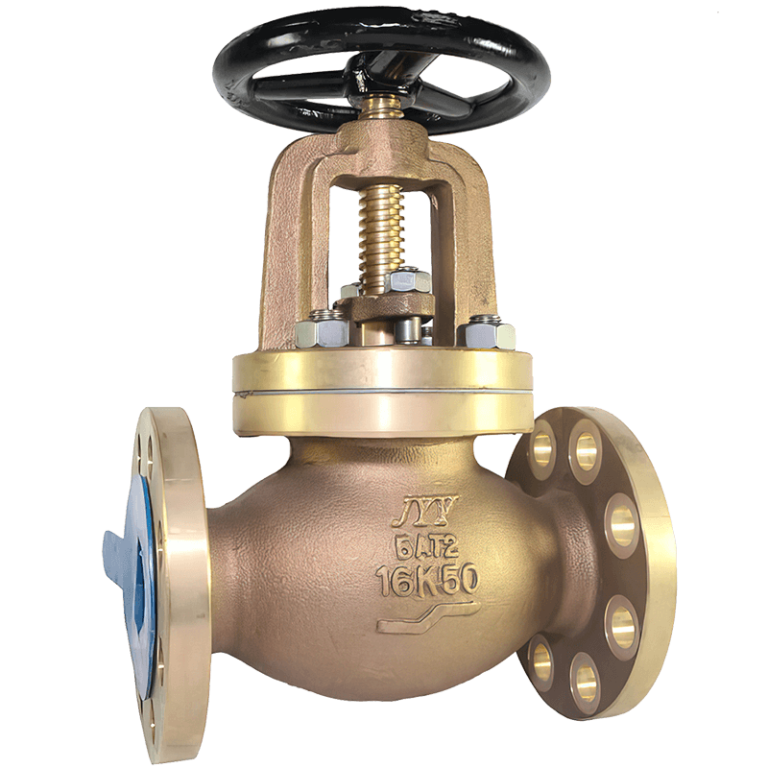
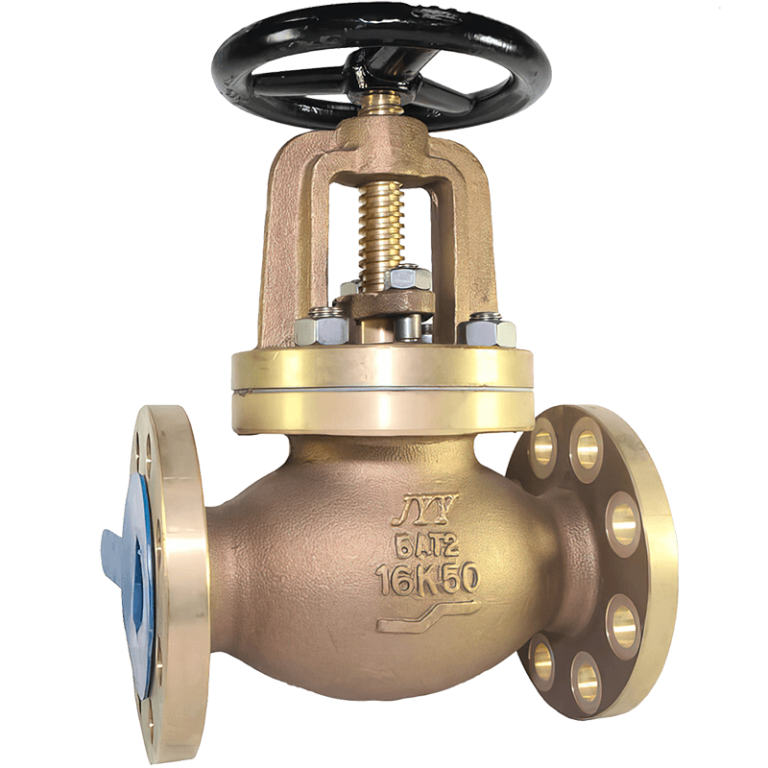
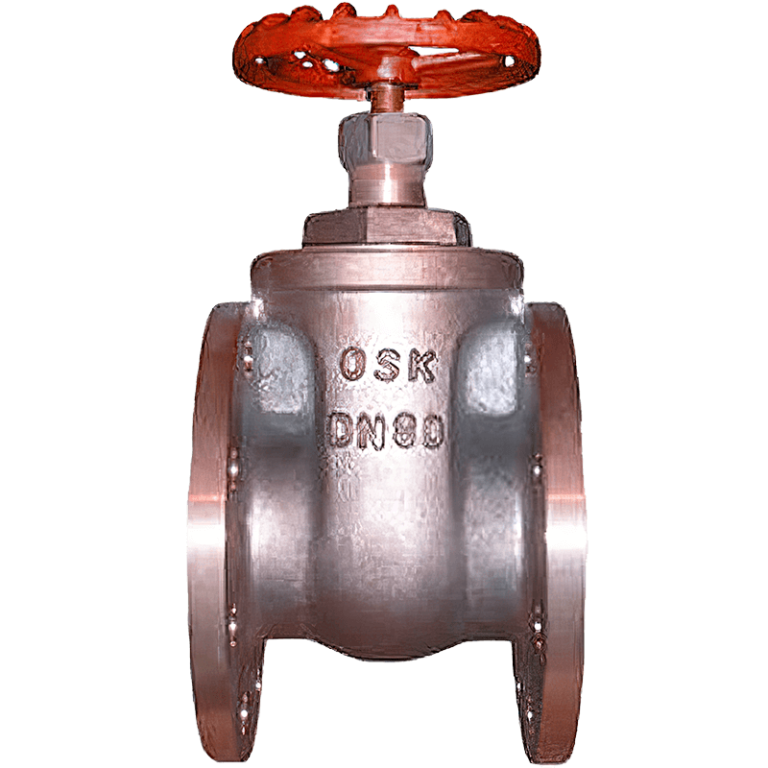
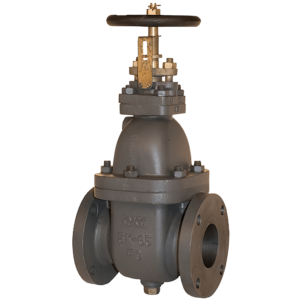
- DIN 3352-11 flanged gate valves (DN 25 to DN 100): for the points where the specification asks for a gate valve – in some utility specifications, for example, the filter valves or the valves on either side of the Buchholz relay. Where the open or closed position has to be visible, the version with a position indicator shows it.
We make both kinds in Istanbul, in MS58 brass or RG5 bronze; ratings, materials and dimensions are on the DIN transformer valves pages.
Materials and seals
- Bodies: drain, filter and sampling valves are often copper alloys – brass or bronze; some utility specifications ask for “bronze or a non-ferrous equivalent”. Radiator butterfly valves are usually steel.
- Seals: gaskets and gland packing must be made for mineral oil; nitrile rubber (NBR) is common, and butyl rubber should never be used.
- Mixed metals at the outlet: close a brass sampling valve with a brass plug or cap, not a steel one. A steel plug in a brass valve can cause galvanic action that produces hydrogen and distorts the dissolved-gas analysis (USBR).
Our drain and gate valves are made in MS58 brass or RG5 bronze; which one a project needs is set by its specification.
Operating and maintaining the valves
- Positions: specifications ask for drain, filter and sampling valves that lock in the open and in the closed position, and for a plate with each valve’s normal position. “Valves in proper position” is a routine inspection item.
- Radiator and Buchholz valves: in service they must be fully open, at the top and at the bottom of every radiator. A broken stem can leave a valve closed while its handle shows open, so check them after every job.
- Taking a sample: flush the valve first, then fill the sample container from a steady flow. How much to flush varies by source – from about one litre to several litres – so follow IEC 60475 and the laboratory’s instructions. Do not take a sample while there is a vacuum at the valve.
- Gland packing: on the suction side of an oil pump, a leaking valve-stem packing can draw air into the oil and trip the Buchholz relay; keep the packing tight.
- Vacuum filling: following the maker’s filling instructions, close the valves to the outside (drain, filter and sampling valves not in use), open the in-line valves to the radiators, pumps and conservator, and secure the pressure relief device. Afterwards, check that the radiator and Buchholz valves are open again.
- Before draining: if the oil level will fall below the top of the core and coil insulation, the usual practice is to drain the transformer completely and refill it under full vacuum. Mark which radiator and which valve came from where.
Questions buyers ask
- Is the drain valve also the sampling valve?
- It can be: DIN 42568 describes one outlet valve for sampling and draining. Many utility specifications also ask for a separate sampling valve near the bottom of the windings. Avoid sampling through very small side ports of large drain valves.
- Gate valve or globe valve for transformer oil?
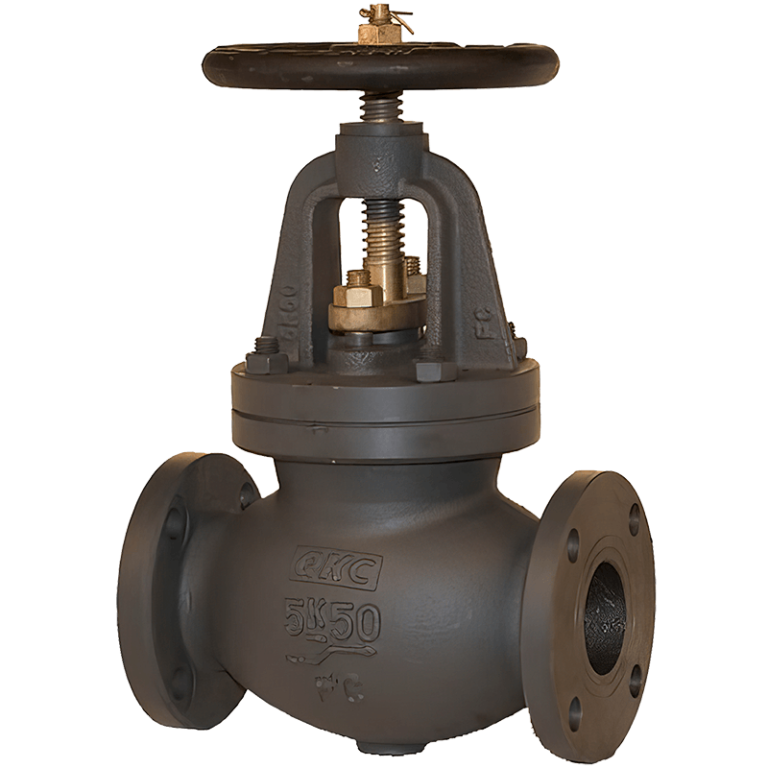
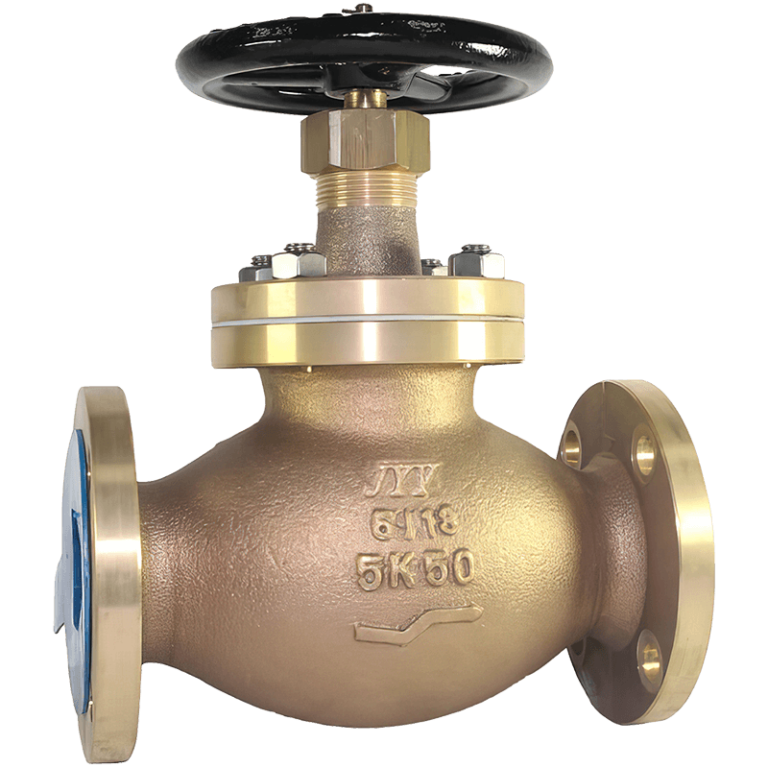
- Views differ. Some utility specifications ask for metal-seated gate valves at the drain and filter points and accept globe valves only on request; some valve makers consider the globe design the best. Follow the specification of the transformer.
- Can a radiator be removed without draining the transformer?
- Yes, if it has isolating valves at the top and the bottom: close both, then remove the radiator. Where radiators are welded to the tank, the oil has to be drained first.
- Which flange does a DIN 42568 drain valve have?
- Ours have an inlet flange to DIN 2501 PN 6. Dimensions are on the product pages and in DIN 42568 transformer drain valves.
- Which standards cover transformer butterfly valves?
- IEC 60076-22-7 (Annex D) and EN 50216-8; the older DIN 42560 is withdrawn.
- Do you make transformer valves?
- Yes: DIN 42568 drain valves (DN 15 and DN 32) and DIN 3352-11 flanged gate valves (DN 25 to DN 100), each in MS58 brass or RG5 bronze – see DIN transformer valves.
Request a quote
Tell us the sizes and quantities you need — we reply with a quote.
The Valves on an Oil-Filled Transformer: Drain, Sampling, Filter and Isolation Valves