
Flanges
Flat-Face or Raised-Face Flange? FF and RF Explained
What separates a flat-face (FF) from a raised-face (RF) flange, which gasket goes with each, the facing types and raised-face heights in EN 1092-1 and ASME B16.5, and what to watch when a steel flange meets a cast iron or bronze valve.
The short answer
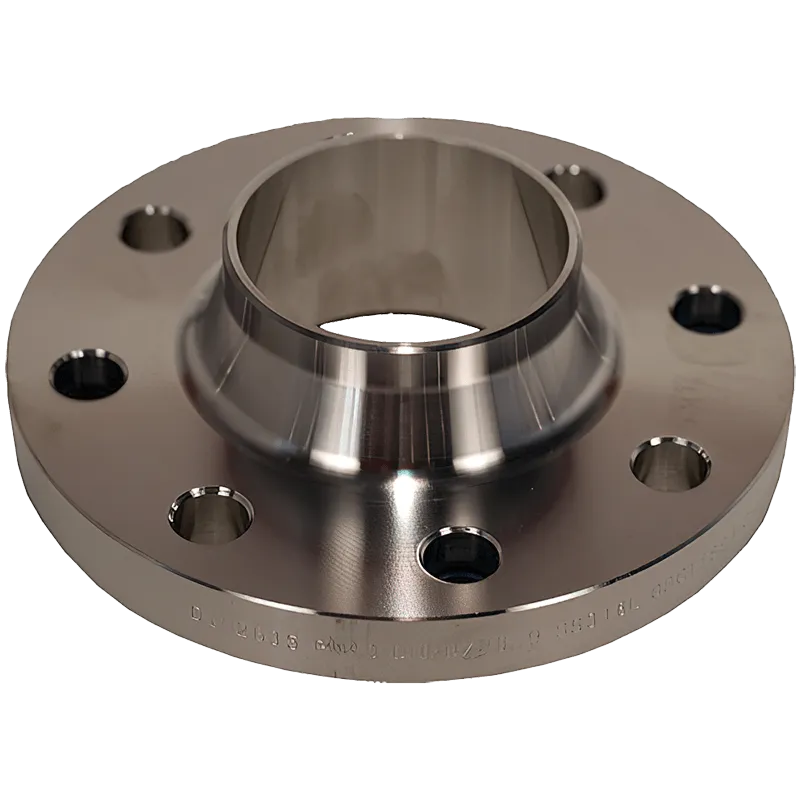
On a flat-face (FF) flange the sealing face is one flat surface out to the edge; it takes a full-face gasket with bolt holes, which spreads the bolt load over the whole face. On a raised-face (RF) flange a raised ring inside the bolts carries a ring gasket; the bolt load is concentrated on that smaller area, so the gasket is pressed harder and seals better at higher pressures. Flat faces are used for lower pressures and for flanges that must not be bent – cast iron, bronze or plastic flanges. The rule: join FF to FF with a full-face gasket and RF to RF with a ring gasket – never one of each.
Which facing types do the standards know?
- EN 1092-1 (steel flanges) names the facings by letter: type A flat face; types B1 and B2 raised face; C tongue and D groove; E spigot and F recess; G and H for O-ring joints. B1 is the usual raised face; B2 has a finer finish and is agreed separately – for example in the designation “EN 1092-1/11/B2/DN 200 × 9/PN 100”.
- Surface finish: types A, B1, E and F are finished to Ra 3.2–12.5 µm; B2, C, D, G and H to Ra 0.8–3.2 µm.
- Old DIN forms: the withdrawn DIN 2526 used forms A to E. Forms A and B became type A, forms C and D type B1, and form E type B2.
- ASME B16.5 knows raised face, flat face, ring-type joint (RTJ), male and female, and tongue and groove; its raised faces have a serrated finish, usually 125–250 µin (about Ra 3.2–6.3 µm).
- JIS B 2220 distinguishes the full-face seat (FF) and the raised-face seat (RF), besides male/female and tongue/groove seats, and has its own clause on full-face gaskets.
How high is the raised face?
- EN 1092-1 (2007 edition): 2 mm up to DN 32, 3 mm from DN 40 to DN 250, 4 mm from DN 300 to DN 500 and 5 mm above DN 500. (The 2002 edition had 2 mm for all sizes.)
- ASME B16.5: 2 mm (0.06 in) for Class 150 and Class 300; 7 mm (0.25 in) for Class 400 and higher.
- Thickness trap: since the 2003 edition of ASME B16.5, the 2 mm raised face of Class 150 and 300 flanges is not included in the flange thickness; older editions – and many catalogues – include it. Check which way a dimension table counts before comparing thicknesses.
Which gasket goes with which face?
- Flat face → full-face gasket: it covers the whole face from the bore to the outside edge and has the bolt holes punched in.
- Raised face → ring gasket: it sits on the raised face, inside the bolts (in EN 1514-1 the IBC type, “inner bolt circle”); it is centred by the bolts.
- Why the pairing matters: a gasket needs a minimum surface pressure to seal. On flat-faced steel flanges that pressure often stays low, which suits soft gaskets for liquids at modest pressures; on raised faces the pressure is much higher – high enough to crush a soft rubber gasket, which gasket makers therefore do not recommend for metal raised faces.
Steel flanges on cast iron and bronze valves
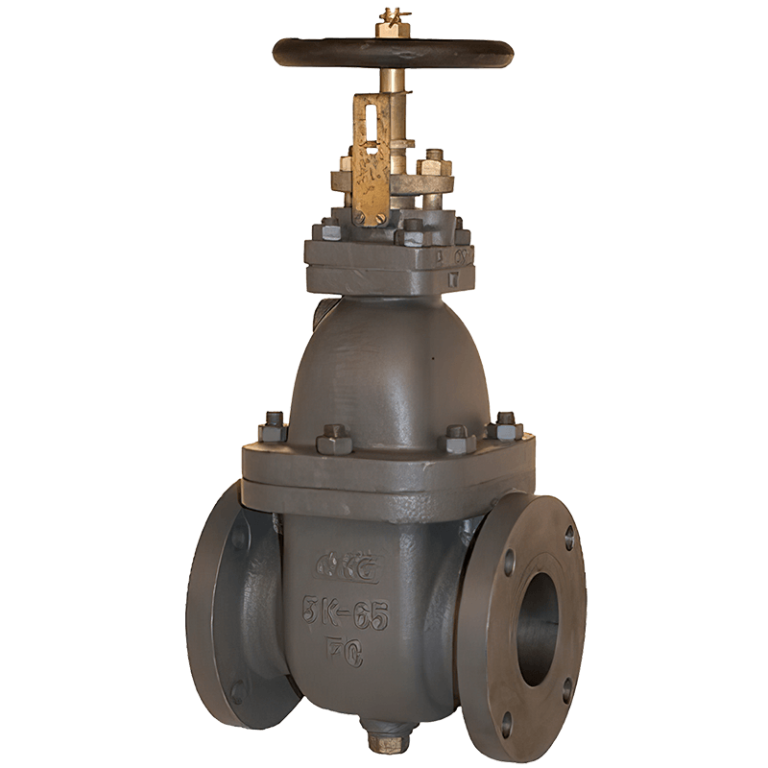
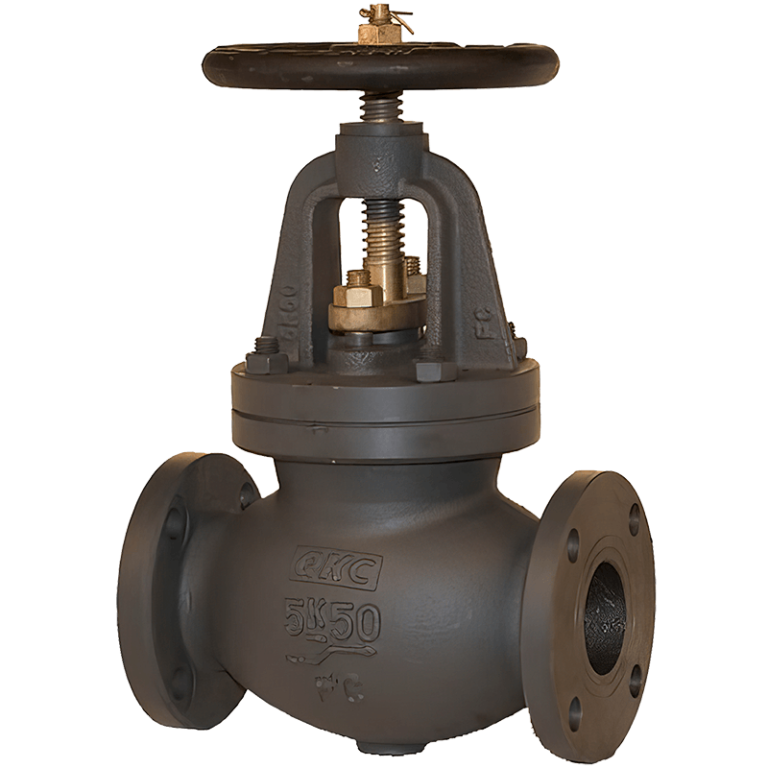
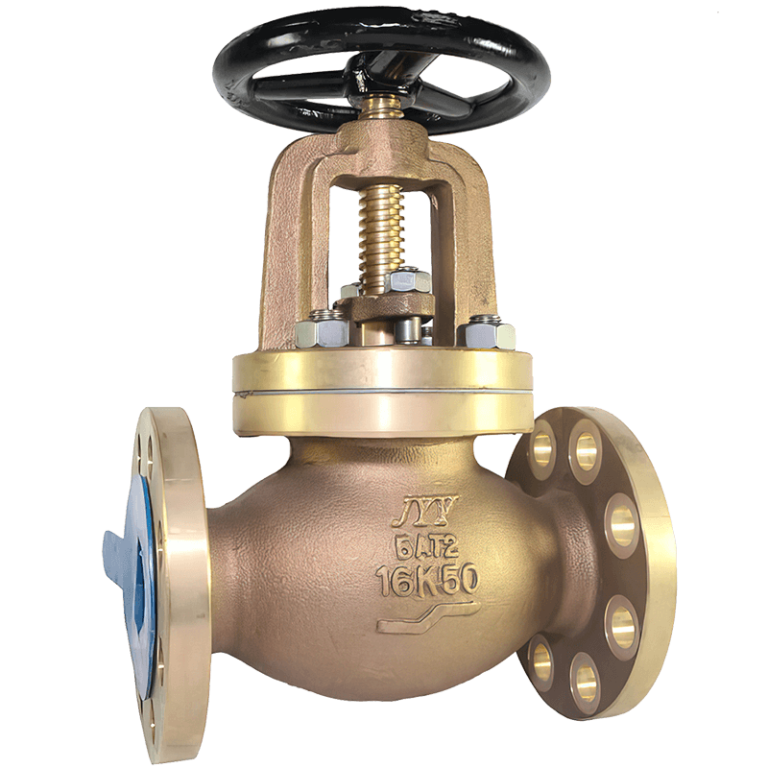
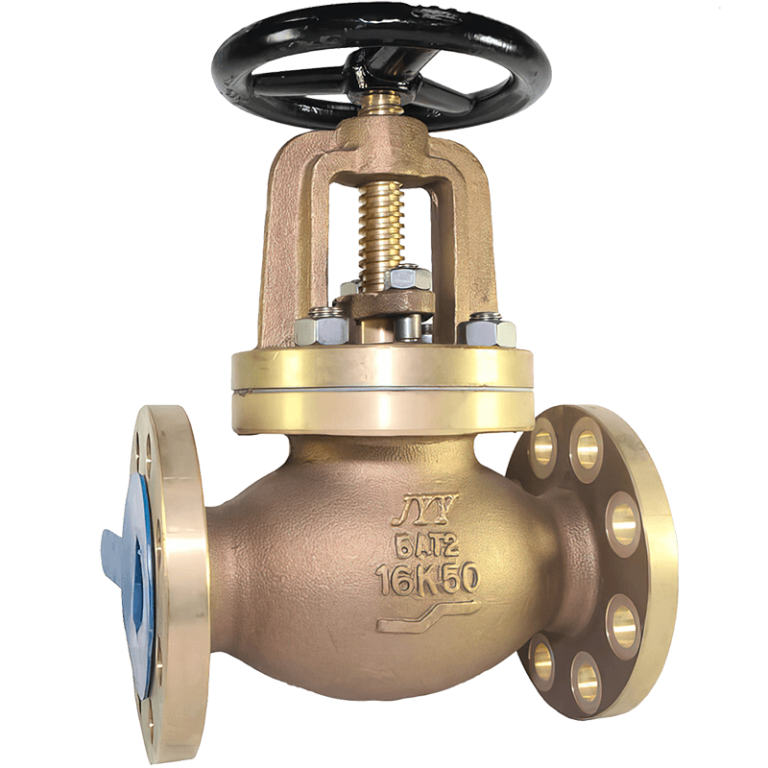
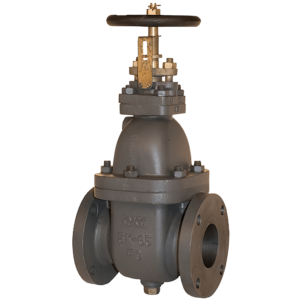
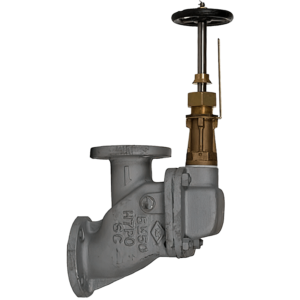
Grey cast iron breaks before it bends. If a raised-face steel flange is bolted against a flat-faced cast iron flange with a ring gasket, the bolts pull the outer part of the cast iron flange into the gap – and the flange can crack.
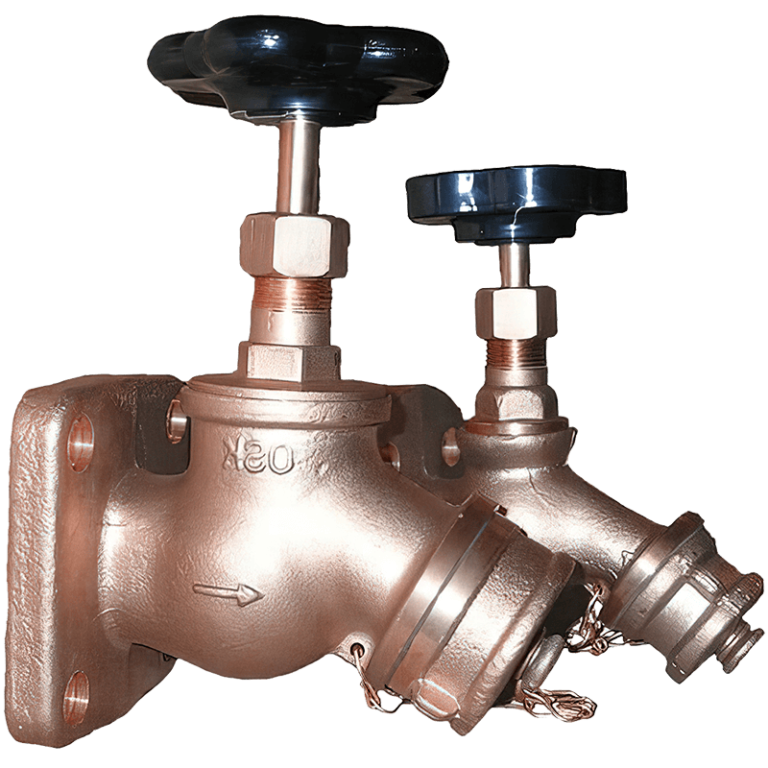
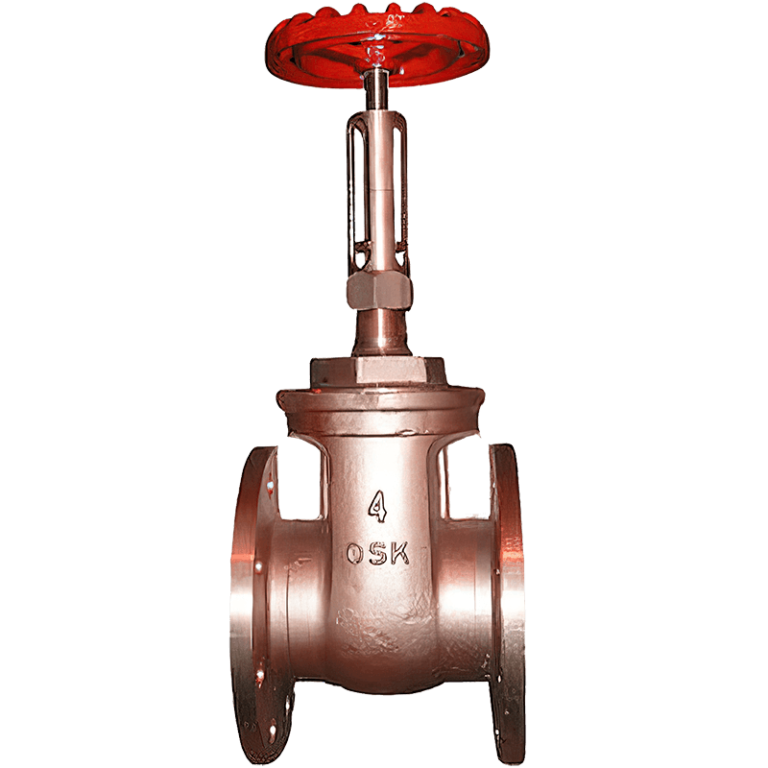
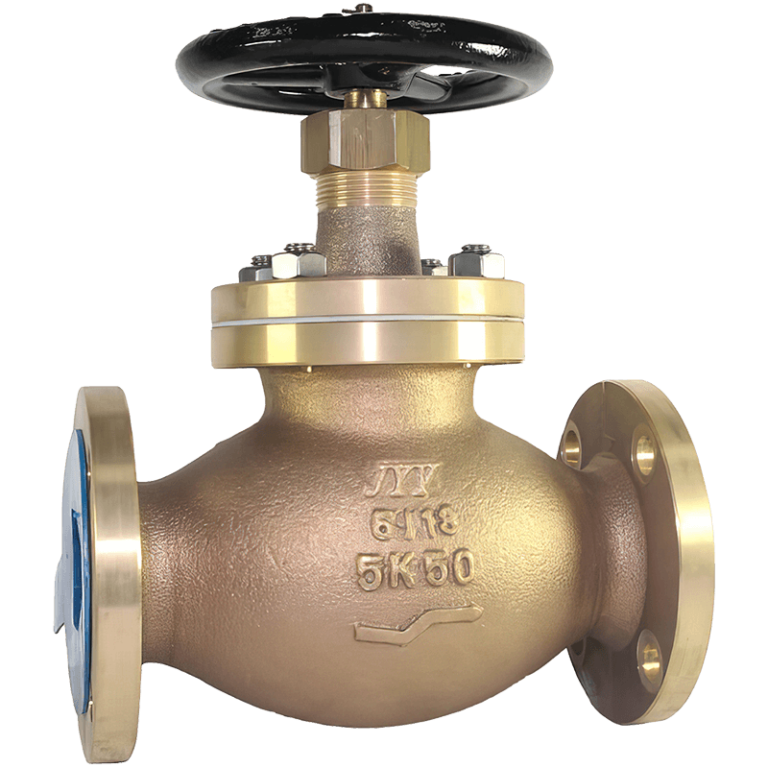
- US standards: Class 125 cast iron flanges (ASME B16.1) and bronze flanges (ASME B16.24) have flat faces. Where a Class 150 steel flange meets a flat-faced cast iron flange, the US piping rules ask for a flat-faced steel flange; valve makers add a full-face gasket and even, moderate bolt tightening.
- European standards are different: EN 1092-2 (2023) requires raised faces on grey and ductile iron flanges, and recommends low-strength bolts when a grey iron flange is in the joint. For copper-alloy flanges, EN 1092-3 makes plate and blind flanges flat (type A) and allows A or B on the other types: type A goes with a flat mating flange and a full-face gasket, type B with a raised face or a ring gasket.
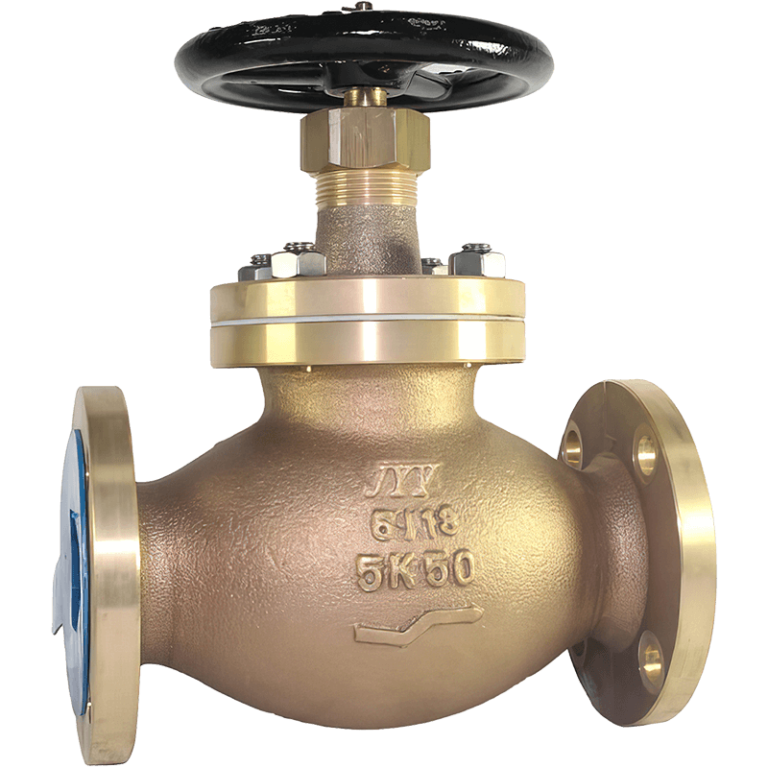
So do not assume – look at the face of the valve’s own flange and match it. Why cast iron is not used at the ship’s side is explained in marine valve materials for sea water.
Our flanges by facing
- Flat face (FF): flat-faced slip-on flanges to JIS B2220 (5K to 40K) and flat-faced slip-on flanges to DIN (PN6, PN10, PN16, PN40).
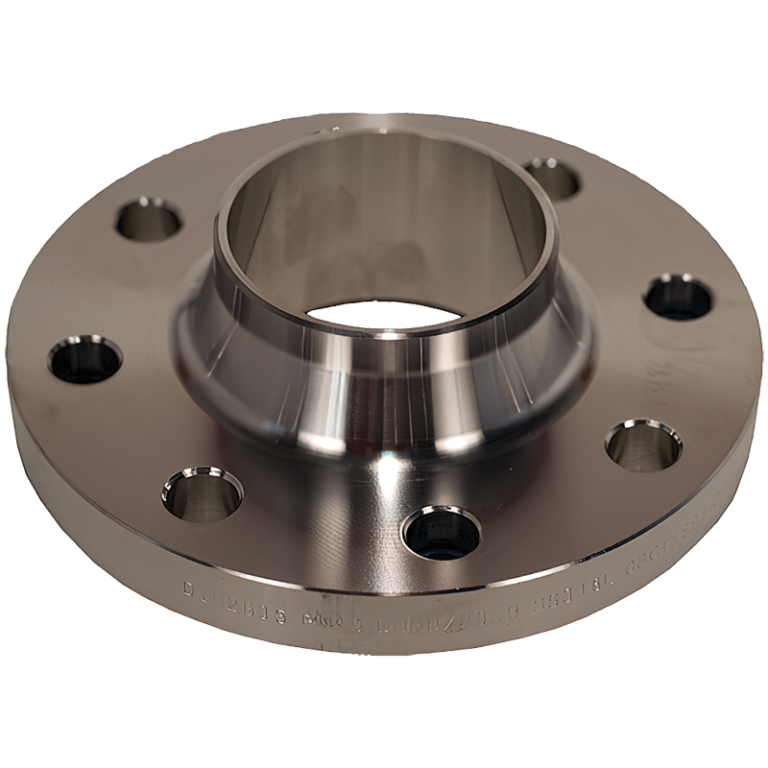
- Raised face (RF): raised-face slip-on flanges to DIN (PN10), raised-face weld-neck flanges to DIN (PN6 to PN40) and the ASME B16.5 Class 150 flanges (slip-on and weld-neck).
- Blind flanges to JIS, DIN and ASME close pipe ends and openings – see all flanges.
We make them in steel and stainless steel; the facing is stated in the technical data of every product page, next to the dimension table and the drawing. In your enquiry, please name the facing together with size, pressure class and material – and, if it matters, the EN 1092-1 facing type (B1 or B2).
Good practice when bolting up
- Clean both faces (soft scraper, wire brush) and check them for scratches across the sealing surface.
- Centre the gasket – especially important on raised faces – and use a new one; do not reuse gaskets.
- Tighten crosswise in several steps (for example a third of the torque at a time), and on cast iron flanges evenly and without over-tightening.
- Never mix facings: FF with RF, ring-type joints, tongue and groove or male and female faces only fit their own counterpart.
Questions buyers ask
- Can I bolt a flat-face flange to a raised-face flange?
- As a rule, no: use matching faces. Where a steel flange has to meet a flat-faced cast iron flange, US practice is a flat-faced steel flange with a full-face gasket.
- Which gasket do I need for an RF flange?
- A ring gasket that sits inside the bolts (IBC). A flat-face flange takes a full-face gasket with bolt holes.
- What is the difference between B1 and B2?
- Both are raised faces to EN 1092-1. B1 is the usual one, finished to Ra 3.2–12.5 µm; B2 is finer, Ra 0.8–3.2 µm, and is agreed separately.
- How high is the raised face of a DIN flange?
- To EN 1092-1 (2007): 2 mm up to DN 32, 3 mm for DN 40–250, 4 mm for DN 300–500 and 5 mm above.
- Do cast iron valves have flat-face flanges?
- It depends on the standard: US Class 125 cast iron flanges are flat-faced, while EN 1092-2 gives grey and ductile iron flanges a raised face. Check the valve’s drawing.
- Which old DIN numbers match the EN 1092-1 types?
- Roughly: weld-neck flanges DIN 2631 (PN 6), 2632 (PN 10), 2633 (PN 16), 2634 (PN 25) and 2635 (PN 40) became type 11; plate flanges DIN 2573 (PN 6) and 2576 (PN 10) type 01; blind flanges DIN 2527 type 05 – similar, not always identical. See also DIN flanges.
Request a quote
Tell us the sizes and quantities you need — we reply with a quote.
Flat-Face or Raised-Face Flange? FF and RF Explained