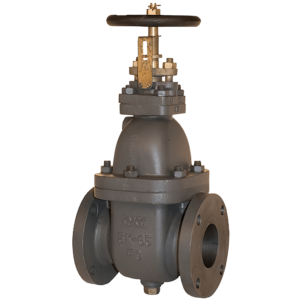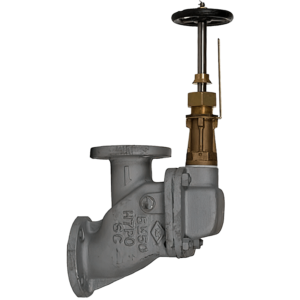

DIN Transformer Valves
RG5 Bronze or MS58 Brass? Choosing the Material of Transformer Valves
What the names RG5 and MS58 stand for, how gunmetal and leaded brass differ in make-up, strength and corrosion, why transformer valves come in both, and how to choose between the two versions.
The short answer
In transformer oil, both are used: valve makers offer and rate both alloys for transformer oil, and no published comparison prefers one of them in oil. The difference shows where water is involved. MS58 brass contains about 39 % zinc and can lose it in some waters (dezincification); RG5 bronze, a gunmetal with only about 5 % zinc, is not prone to it and resists sea water. So follow the specification of the transformer, and choose RG5 where the valve may meet water – especially stagnant, soft or salty water.
What do RG5 and MS58 mean?
- MS58 is the old German name of a leaded brass: Ms stands for Messing (brass) and 58 for its nominal copper content. It has about 58 % copper, about 39 % zinc and 2–3 % lead. Most suppliers equate the name with the European grade CuZn39Pb3 (CW614N), some with CuZn40Pb2 (CW617N) – both free-machining brasses.
- RG5 is the old German name of a gunmetal: Rg stands for Rotguss (literally “red casting”), the trade name for copper–tin–zinc–lead casting alloys. RG5 has about 85 % copper and about 5 % each of tin, zinc and lead; the European grade usually meant is CuSn5Zn5Pb5-C (CC491K, formerly G-CuSn5ZnPb, 2.1096). Some foundries use the name for a low-lead variant, so the grade on the material certificate is what counts.
- US and UK names: the closest US alloy is UNS C83600, the “85-5-5-5” alloy called leaded red brass, composition bronze or ounce metal; the closest British alloy is LG2. A “red brass” valve in a US catalogue and an “RG5 bronze” valve are therefore close relatives – the same alloy family with slightly different limits.
Strictly speaking, RG5 is a gunmetal – a leaded tin bronze – and MS58 a brass; both are copper alloys.
How do the two alloys differ?
- Make-up: brass is copper with a lot of zinc; gunmetal is copper with a little each of tin, zinc and lead. With about 39 % zinc, MS58 is a two-phase (alpha-beta) brass, and its zinc-rich phase is the weak point when it comes to corrosion.
- How they are made: the MS58 grades are wrought alloys, supplied as bar and forging stock and known for very easy machining – the standard material for turned parts, valve stems and fittings. RG5 is a casting alloy, used for valve bodies, pump housings and fittings that have to be pressure-tight.
- Strength: wrought brass bar is stronger than sand-cast gunmetal. The European standards give a minimum tensile strength of 360 to 500 MPa for CuZn39Pb3 bar, depending on its temper, and of 200 MPa for sand-cast CuSn5Zn5Pb5-C.
- Corrosion: brasses with more than about 15 % zinc can lose their zinc in water – dezincification. Stagnant, soft, slightly acidic or chloride-rich water, salty water and higher temperatures favour it; the attacked metal turns porous and loses its strength. Gunmetal, with about 5 % zinc, is not prone to it and resists sea water. Where a brass has to serve in such water, a dezincification-resistant (DZR) brass is used instead.
- Lead: both alloys contain lead – about 2–3 % in MS58, about 5 % in RG5 – so neither is meant for drinking water.
Brass or bronze in transformer oil?
Transformer valve makers offer both: all-brass valves, and valves with a gunmetal body and a brass bonnet, disc and stem. They rate both versions for transformer oil, and we found no published test or standard that prefers one of the two alloys in oil; DIN 42568 itself does not name a material. The choice therefore rests on the buyer’s specification and on whether the valve will also meet water.
Sea water is a different matter: on ships, bronze is the usual valve material – see marine valve materials for sea water.
Our two versions
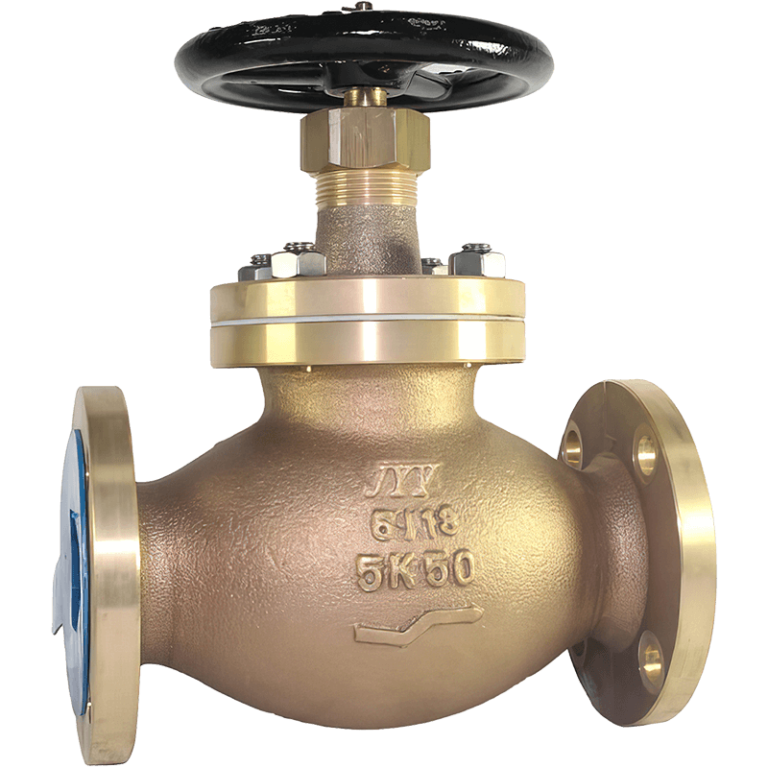
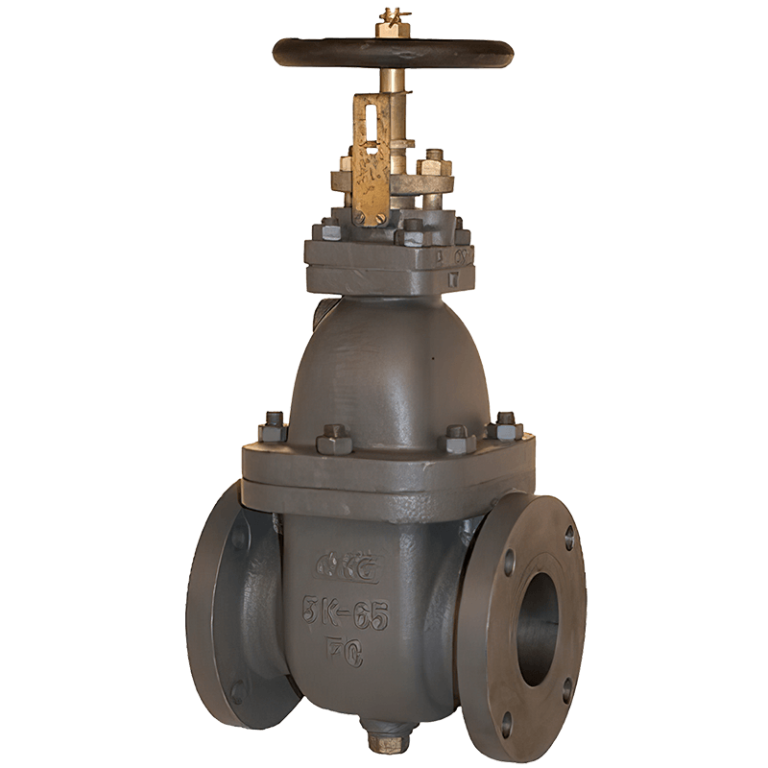
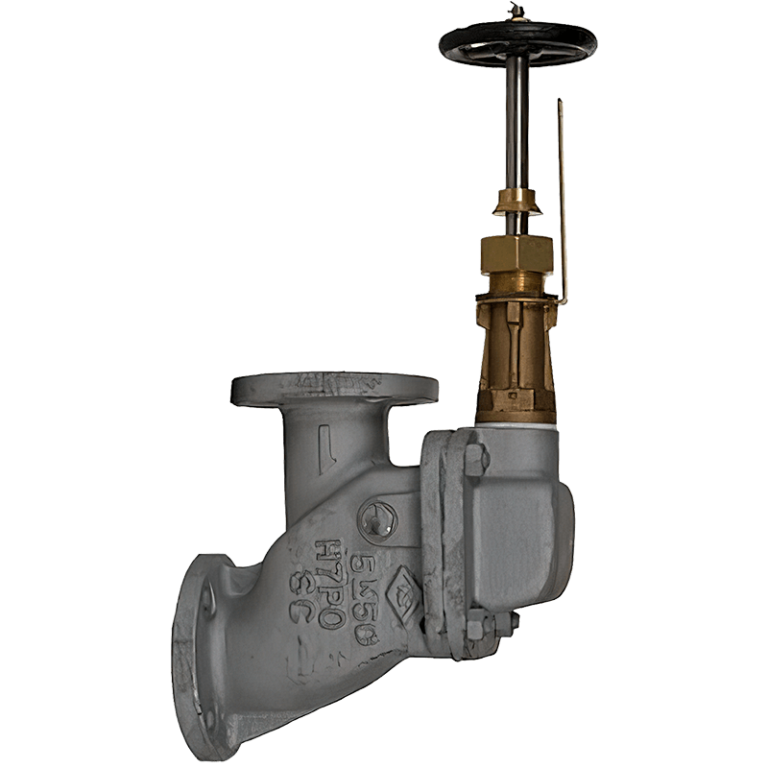
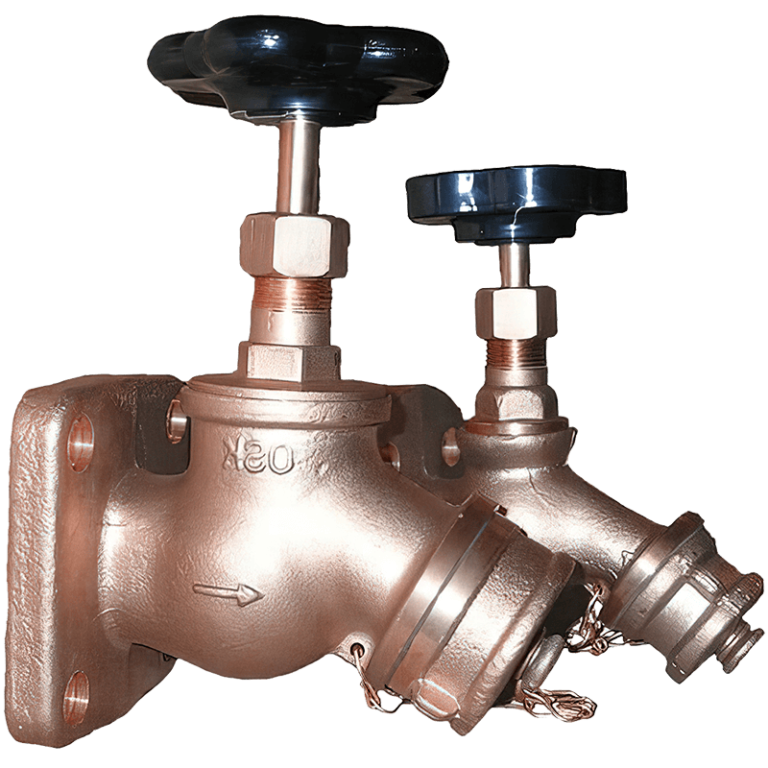
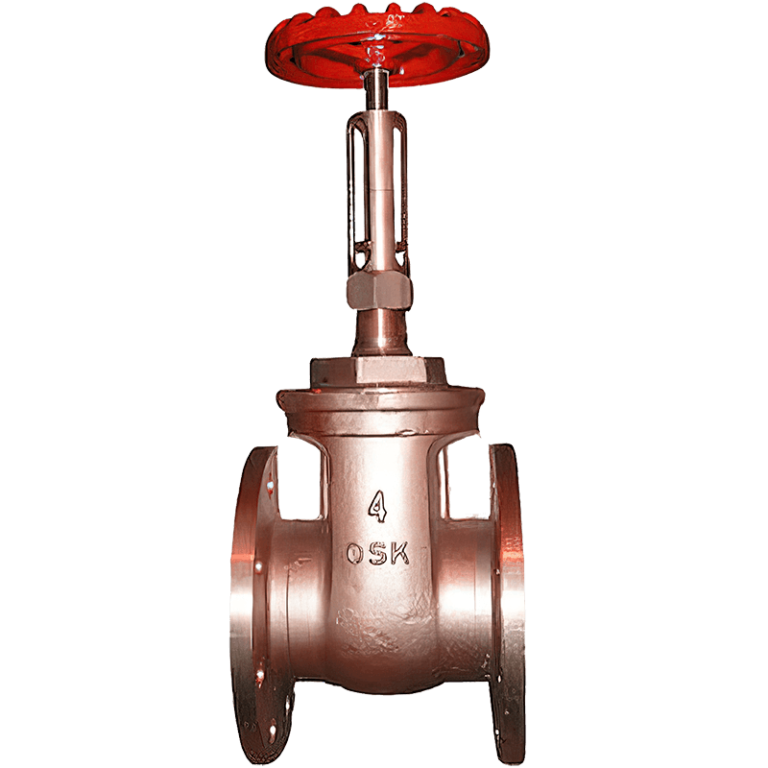
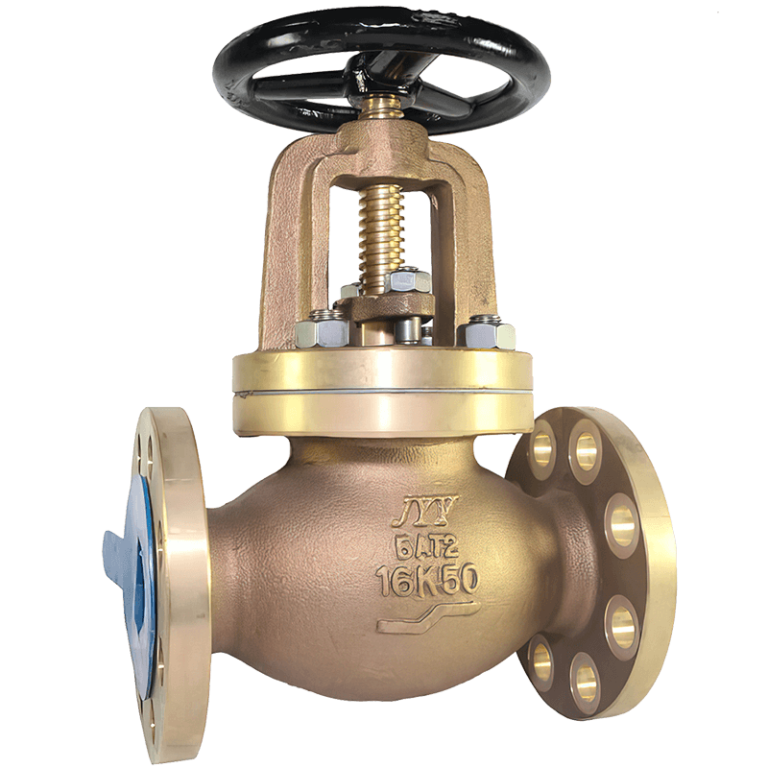
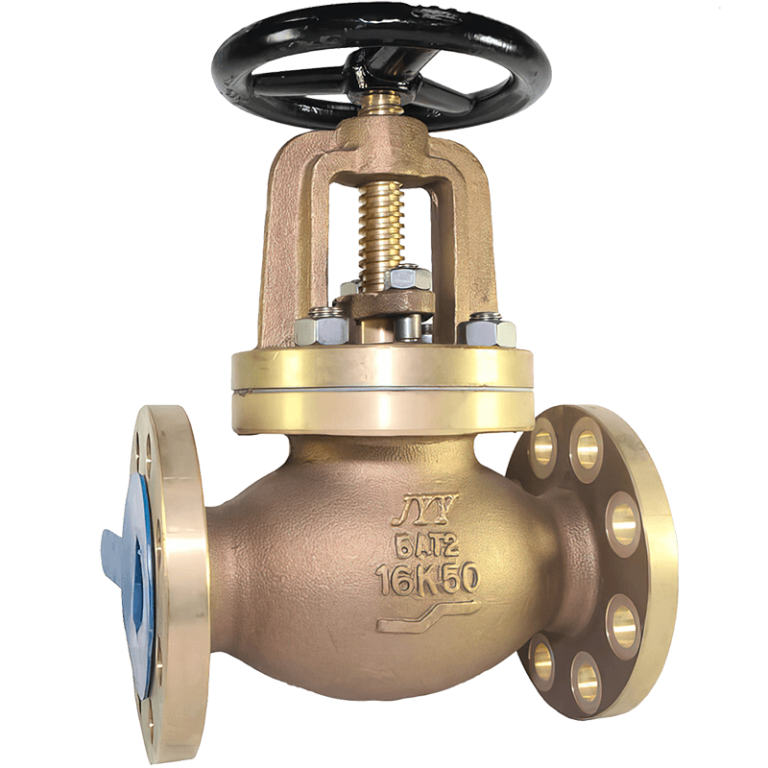
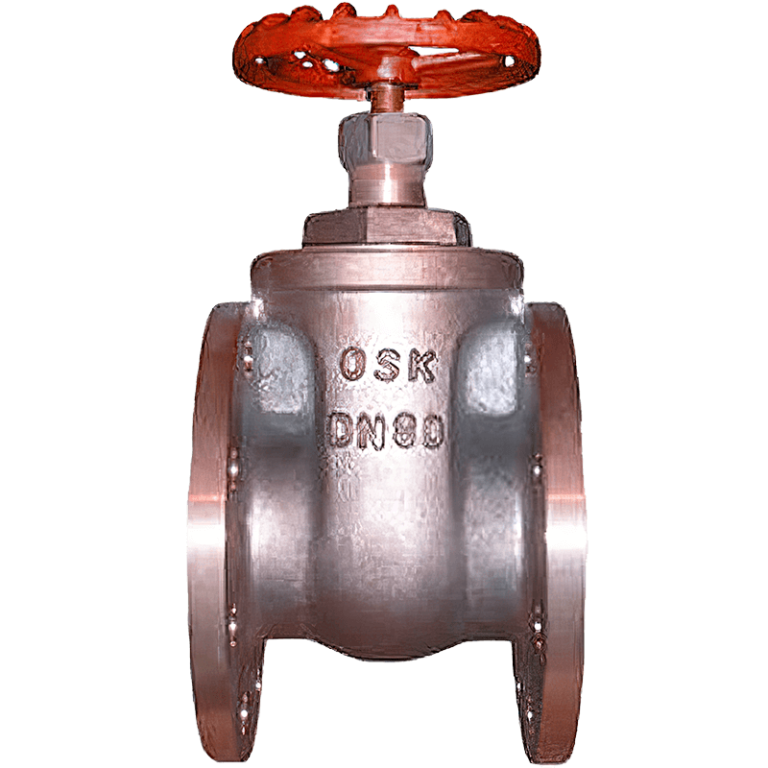
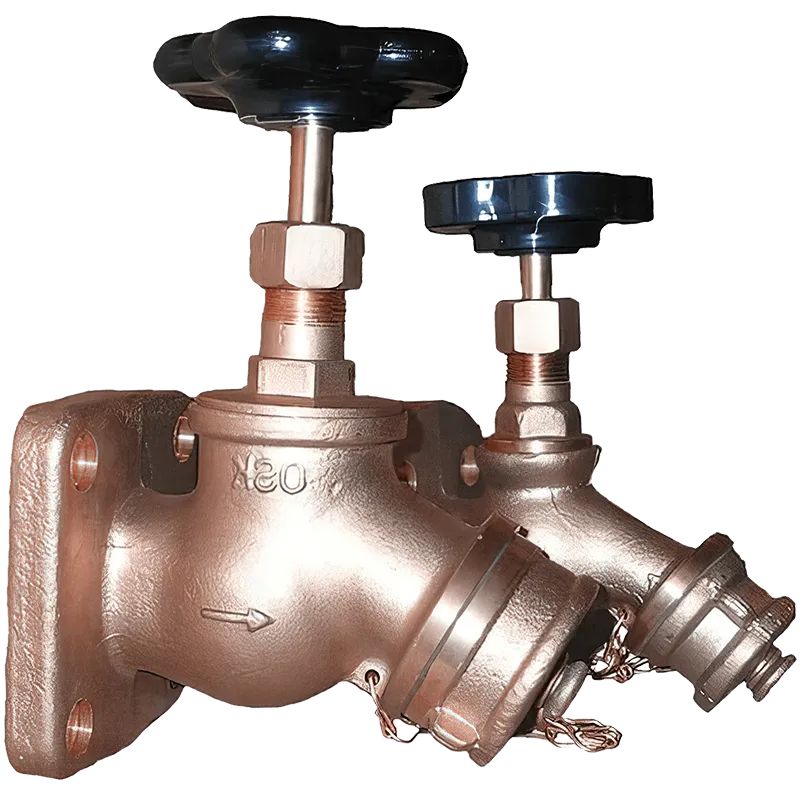
- Same valve, two materials: our DIN 42568 drain valves and DIN 3352-11 flanged gate valves are made in an MS58 brass and an RG5 bronze version, with the same dimensions, pressure class and tests.
- What changes: in the RG5 version the body and the seat rings are RG-5 bronze, while the bonnet, the disc or wedge and the stem are MS-58 brass – the usual combination in the trade; in the DN 80 and DN 100 gate valves the bonnet and the wedge are RG-5 bronze as well. The full material lists are in DIN 42568 transformer drain valves and DIN 3352-11 flanged gate valves.
- Which to order: the one your specification names. Without one, either suits transformer oil; choose RG5 where the valve may meet water, for example in non-potable water service.
We make both versions in Istanbul – see the MS58 brass valves and the RG5 bronze valves. Where each valve sits on a transformer is explained in the valves on an oil-filled transformer.
Questions buyers ask
- Is RG5 bronze or brass?
- It is a gunmetal, a leaded tin bronze with about 5 % each of tin, zinc and lead. In the US the closely related alloy C83600 is called leaded red brass or composition bronze, which is why the two words get mixed up.
- Is MS58 the same as CW614N?
- Usually: most suppliers give CuZn39Pb3 (CW614N), some CuZn40Pb2 (CW617N). Both are leaded free-machining brasses with about 58 % copper. Ask for the material certificate if the exact grade matters.
- Which lasts longer in water?
- RG5: it does not dezincify and resists sea water. MS58 brass can dezincify in stagnant, soft or salty water.
- Can MS58 brass valves be used for transformer oil?
- Yes. Makers offer and rate all-brass valves for transformer oil, and no published comparison prefers bronze in oil.
- Are the brass and the bronze versions interchangeable?
- Ours are: the dimensions, the flange and the pressure class are the same; only the material differs.
- Can they be used for drinking water?
- No. Both alloys contain lead; our transformer valves are offered for transformer oil and non-potable water – see DIN transformer valves.
Request a quote
Tell us the sizes and quantities you need — we reply with a quote.
RG5 Bronze or MS58 Brass? Choosing the Material of Transformer Valves