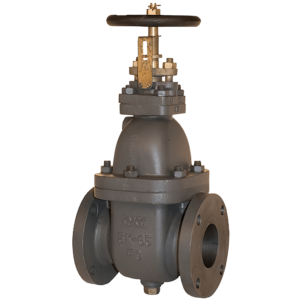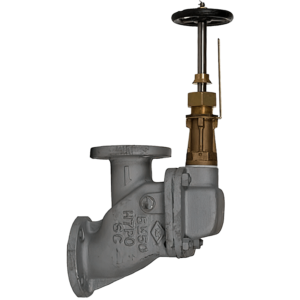

JIS Marine Valves
Bronze, Cast Iron or Cast Steel? Marine Valve Materials for Sea Water
Which valve material belongs where on a ship: what SOLAS, the Load Line Convention and class rules allow at the ship’s side and inboard, what the JIS marine valve standards specify, and how bronze, cast iron and steel behave in sea water.
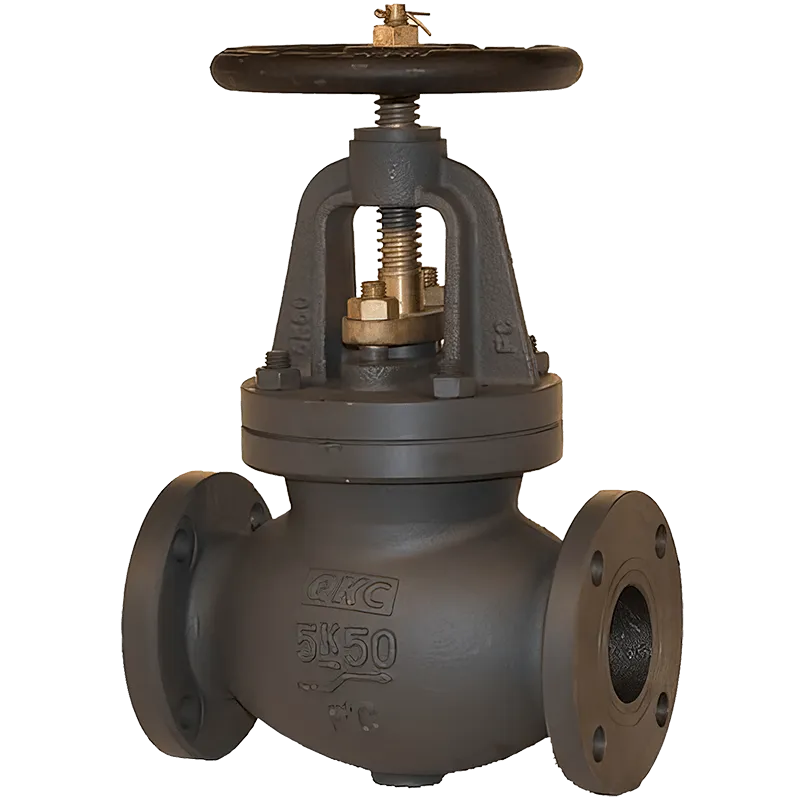
The short answer
Choose the material by the valve’s position. At the ship’s side and on the collision bulkhead, the rules accept steel, bronze or other approved ductile material – never ordinary (grey) cast iron. Inboard, in Class III sea-water, ballast and bilge lines, class rules accept grey cast iron valves. Bronze resists sea water best; cast iron and steel need coatings and regular inspection.
What do the rules allow where?
- Ship’s side (shell valves, sea chests, overboard discharges): SOLAS Chapter II-1, Regulation 15, and the Load Line Convention, Regulation 22, require steel, bronze or other approved ductile material; ordinary cast iron is not acceptable.
- Collision bulkhead: SOLAS Chapter II-1, Regulation 12, sets the same material rule for the valve on the forepeak pipe.
- Inboard piping: the IACS unified requirement on piping (UR P2) allows ordinary cast iron for Class III piping, but not above 220 °C, not where shock, strain or vibration is expected, and not for sea valves and pipes on the ship’s sides or on the collision bulkhead. Ferritic nodular (ductile) iron is accepted for bilge, ballast and cargo oil lines up to 350 °C.
- Class rules can be stricter: DNV, for example, also excludes grey iron from the bottom and from sea chests and above 120 °C, and asks for an efficient coating on steel shell valves and sea chests. Türk Loydu asks for a hydrostatic test of shell valves at or below the deepest load waterline, witnessed by its surveyor, before they are fitted.
Which rules apply depends on the ship’s flag and its classification society, so please name both in your enquiry.
Which materials do the JIS marine valve standards use?
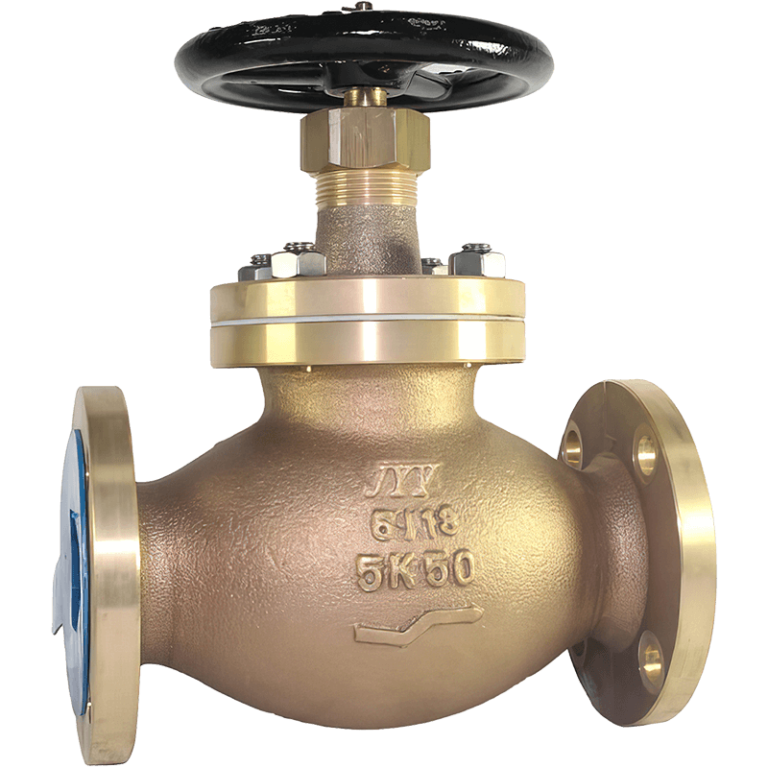
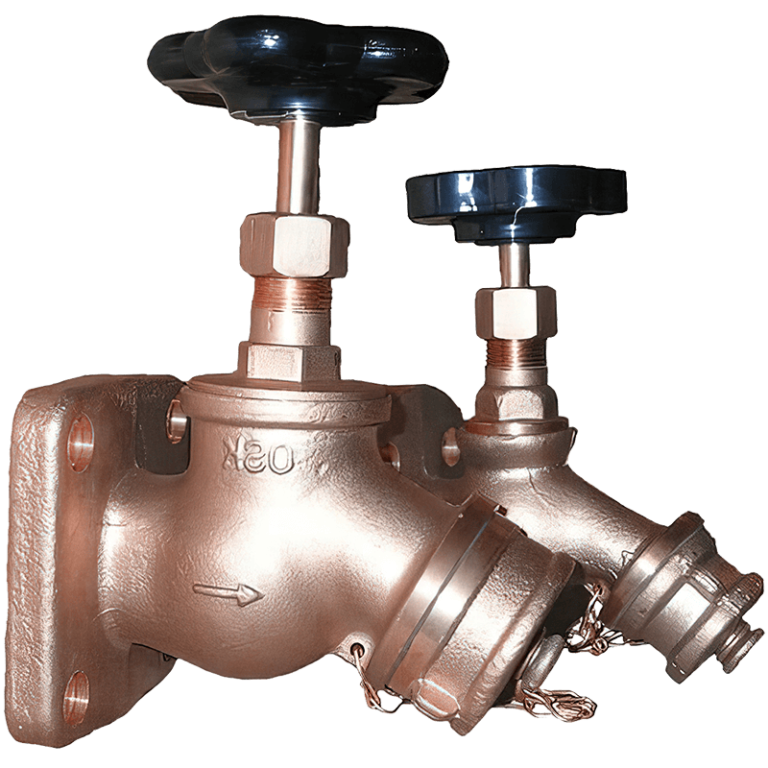
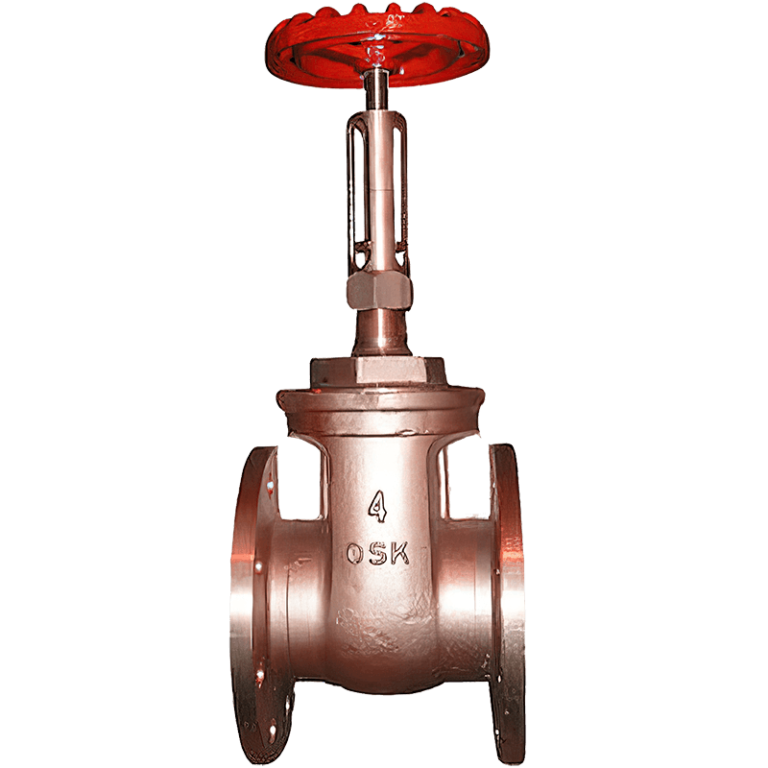
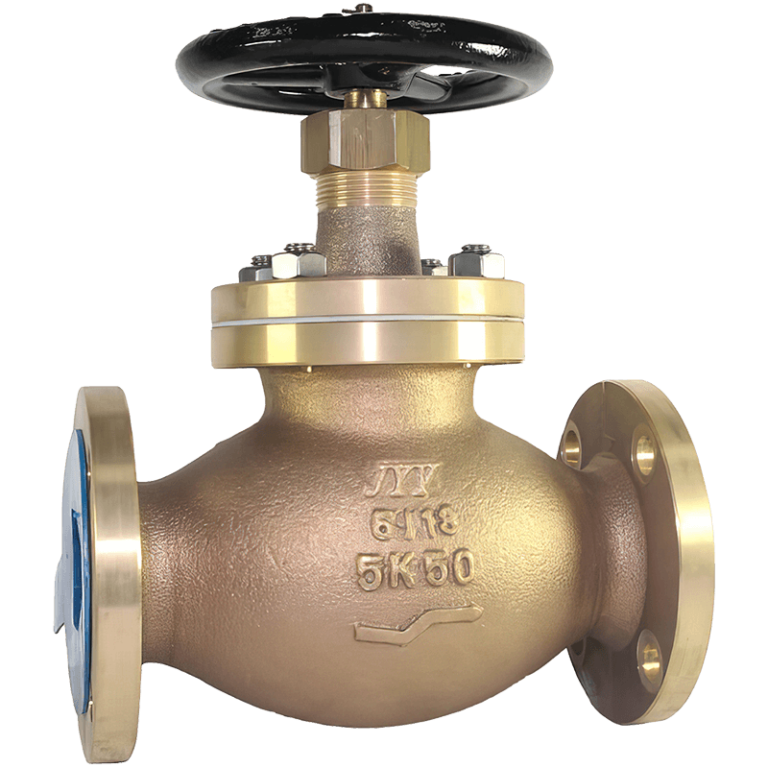
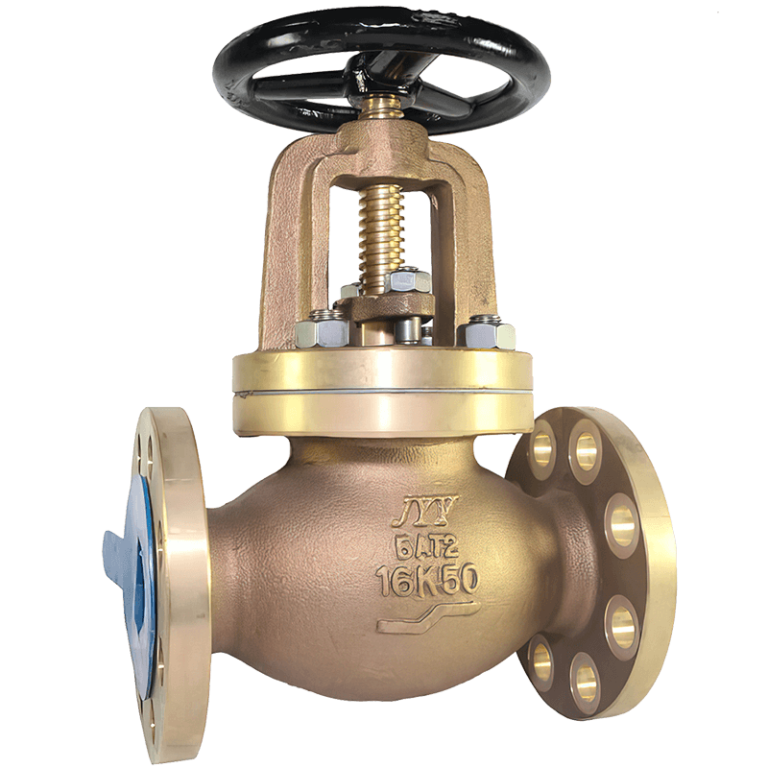
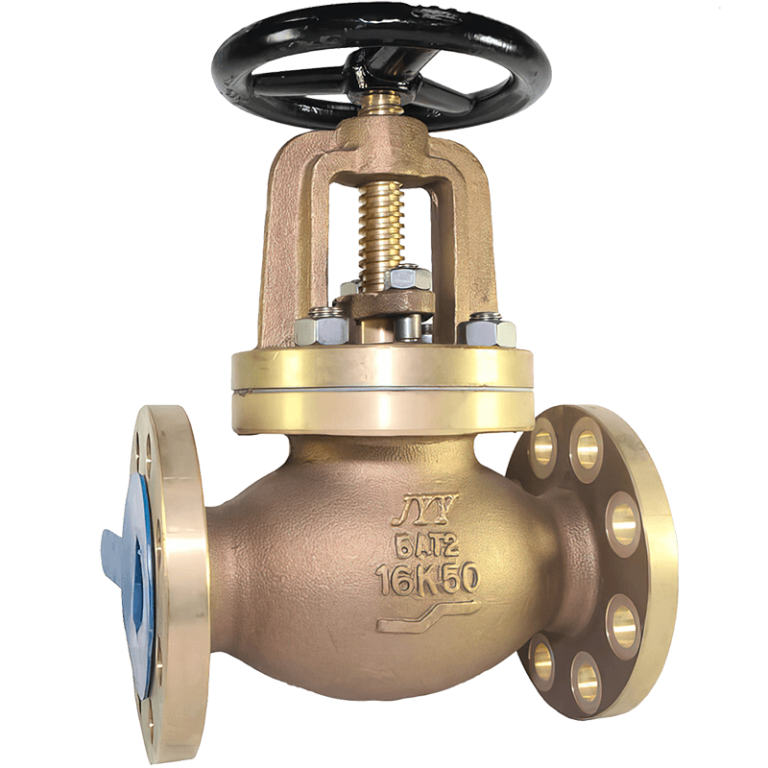
- Bronze valves – JIS F 7427: the body is cast bronze CAC406 (JIS H 5120), a tin bronze with about 85 % copper and 4–6 % each of tin, lead and zinc – the casting class known earlier as BC6. The standard covers steam, fresh water, sea water, oil and air. Our bronze valves are named by it, for example JIS F7427 (F7301).
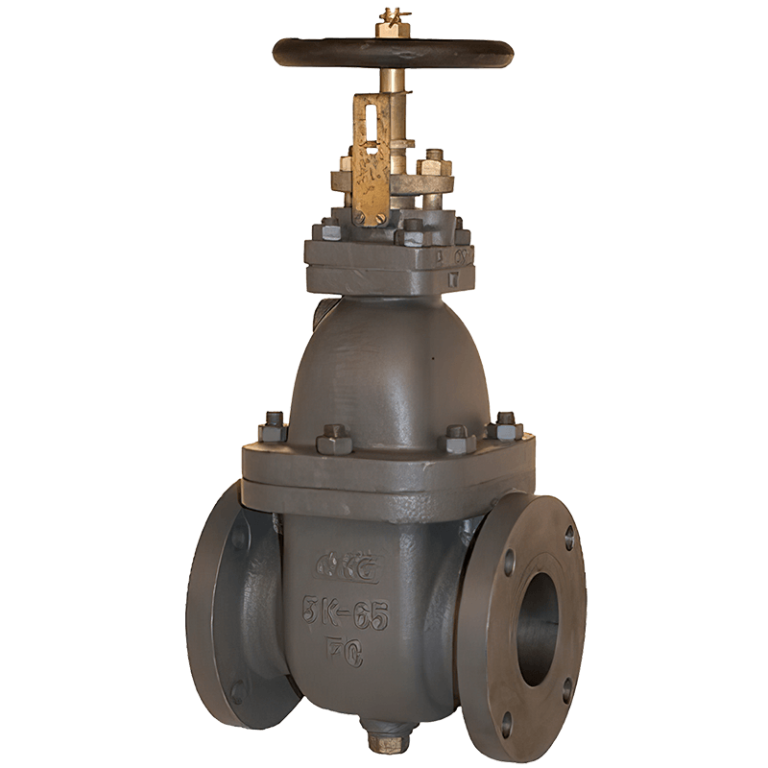
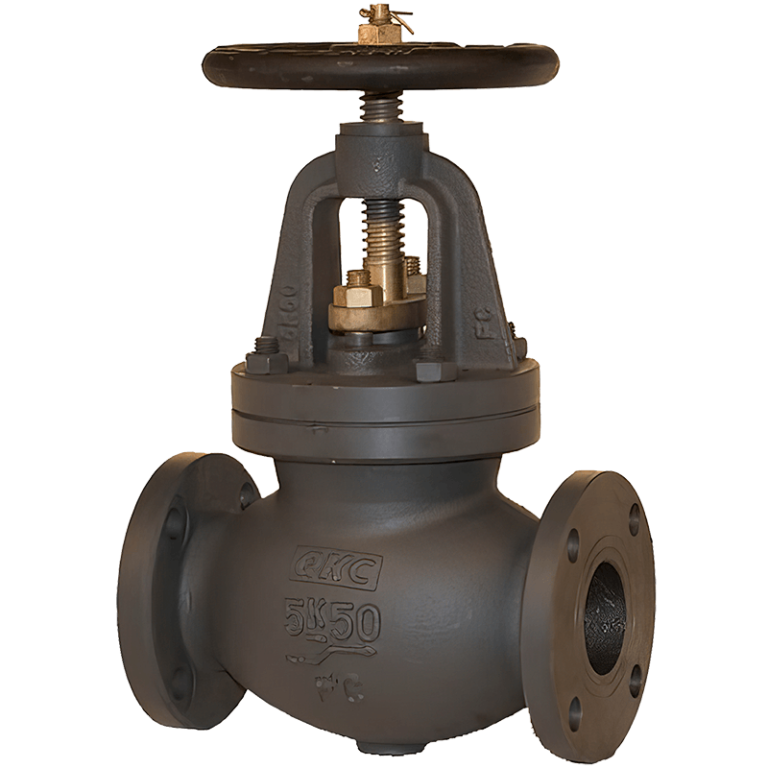
- Cast iron valves – JIS F 7425: the body and bonnet are grey cast iron FC200 (JIS G 5501); the standard’s scope includes sea water. Grey iron is the “ordinary cast iron” of the rules above, so these valves belong inboard. Our cast iron valves are named JIS F7425, for example JIS F7425 (F7305).
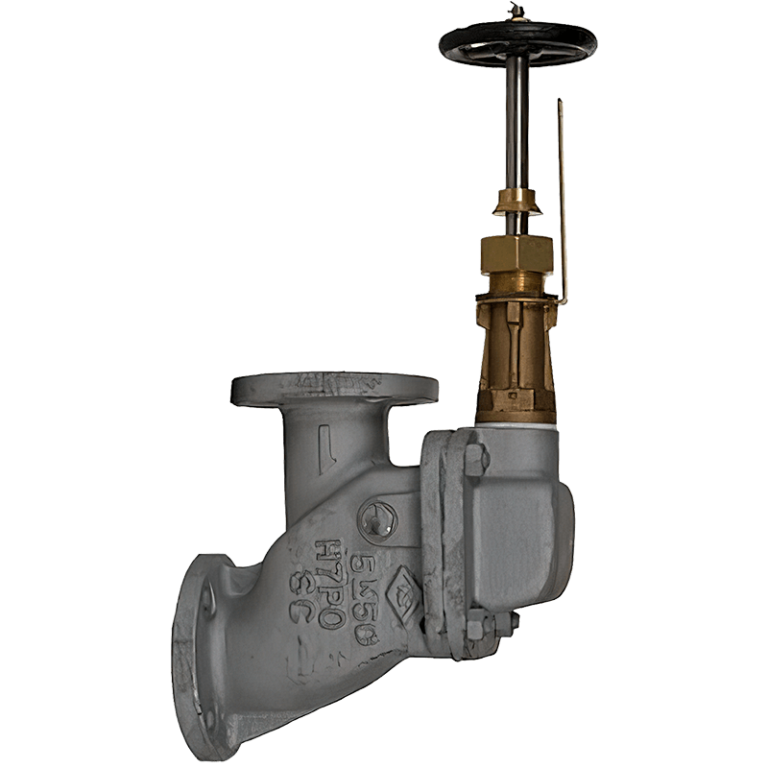
- Storm valves – JIS F 3057: the 2020 edition lists a bronze (CAC406) or a cast steel body. A storm valve sits on an overboard discharge, so the ship’s-side rule applies – see our storm valve JIS F3057 (F3060).
For ductile iron valves Japan has a separate standard, JIS F 7505; ductile (nodular) iron such as FCD400-15 (JIS G 5502) has the elongation that grey iron lacks. How the JIS codes changed is explained in JIS marine valve codes.
How do bronze, cast iron and steel behave in sea water?
- Bronze: tin bronzes and gunmetals such as CAC406 are the traditional valve material for sea water. With only 4–6 % zinc they are not prone to dezincification, which affects brasses with more than about 15 % zinc.
- Cast iron: in sea water it behaves much like carbon steel. Its typical damage is graphitic corrosion: the iron dissolves and a graphite skeleton remains, so a part can keep its shape while becoming weaker. Coatings and regular inspection of inboard cast iron valves are therefore part of good practice.
- Steel: it needs protection in sea water – class rules ask for an efficient coating on steel shell valves and sea chests.
- Mixed metals: copper alloys are more noble than steel and cast iron. Where a bronze valve meets a steel pipe, the steel next to the joint can corrode faster, especially when a small steel area meets a large copper-alloy area; the piping design (coatings, insulation, materials) should allow for this.
What to tell us when you order
- the position on board: ship’s side or sea chest, collision bulkhead, or inboard;
- the classification society and the pipe class;
- the medium, the design pressure and the temperature;
- the JIS designation, for example JIS F7427 (F7301) or JIS F7425 (F7305), and the size;
- the certificate you need – for example an EN 10204 type 2.2, 3.1 or 3.2 document; the class rules say which type a valve in that position needs.
Test pressures are on each product page; how the pressure class decides them is explained in JIS 5K, 10K and 16K pressure classes.
Questions buyers ask
- Can cast iron valves be used for sea water?
- Yes, inboard: class rules accept grey cast iron valves in Class III sea-water, ballast and bilge service. They are not accepted on the ship’s side or on the collision bulkhead.
- Can bronze valves be used on the ship’s side?
- Yes. SOLAS and the Load Line Convention name bronze among the accepted materials for shell valves.
- Why bronze and not brass for sea water?
- Brasses with more than about 15 % zinc can lose their zinc in sea water (dezincification); low-zinc tin bronzes such as CAC406 are not prone to it.
- Can I fit a bronze valve in a steel line?
- It is common, but the steel next to the joint may corrode faster; follow the piping design for coatings and insulation.
- Which screw-down check valves are bronze and which cast iron?
- Bronze: JIS F7427 (F7351, F7352, F7409, F7410); cast iron: JIS F7425 (F7353, F7354, F7375). See screw-down check valves.
Request a quote
Tell us the sizes and quantities you need — we reply with a quote.
Bronze, Cast Iron or Cast Steel? Marine Valve Materials for Sea Water